
Hi, I’m Harper Lane. I live just outside Portland, and my kitchen’s usually filled with barking dogs and hungry kids. I wasn’t always a cook, but inheriting my grandmother’s cast iron skillet changed everything. Smoked beef short ribs became a weekend tradition when I first fired up a secondhand smoker and tried something new. The flavor was unreal. Now I cook them for my family and clients juicy, smoky, and fall-apart tender. It’s a dish you can prep ahead, freeze, and enjoy even on the busiest nights. Not every meal is perfect, but these ribs? Always a win.
Smoked beef short ribs have become one of my go-to dishes for weekend cookouts, especially when I want something bold, beefy, and fall-off-the-bone tender. This article will guide you through how to smoke beef short ribs, including preparation tips, timing, temperature, flavor techniques, and step-by-step instructions. Whether you’re using an offset smoker, pellet grill, or electric smoker, we’ll cover it all. Stick around for a juicy, simple smoked beef short ribs recipe your whole family will love.
Table of Contents
Smoked Beef Short Ribs Recipe
Why Smoked Beef Short Ribs Matter in My Kitchen
What Makes This Recipe a Family Favorite
It all started with my grandmother’s cast iron skillet, but smoked beef short ribs? That came later. I still remember the first time I tackled this cut. The kids were playing in the backyard, and I had just gotten a secondhand offset smoker. It was a Sunday, and I wanted to try something new beyond my usual slow cooker comfort zone.
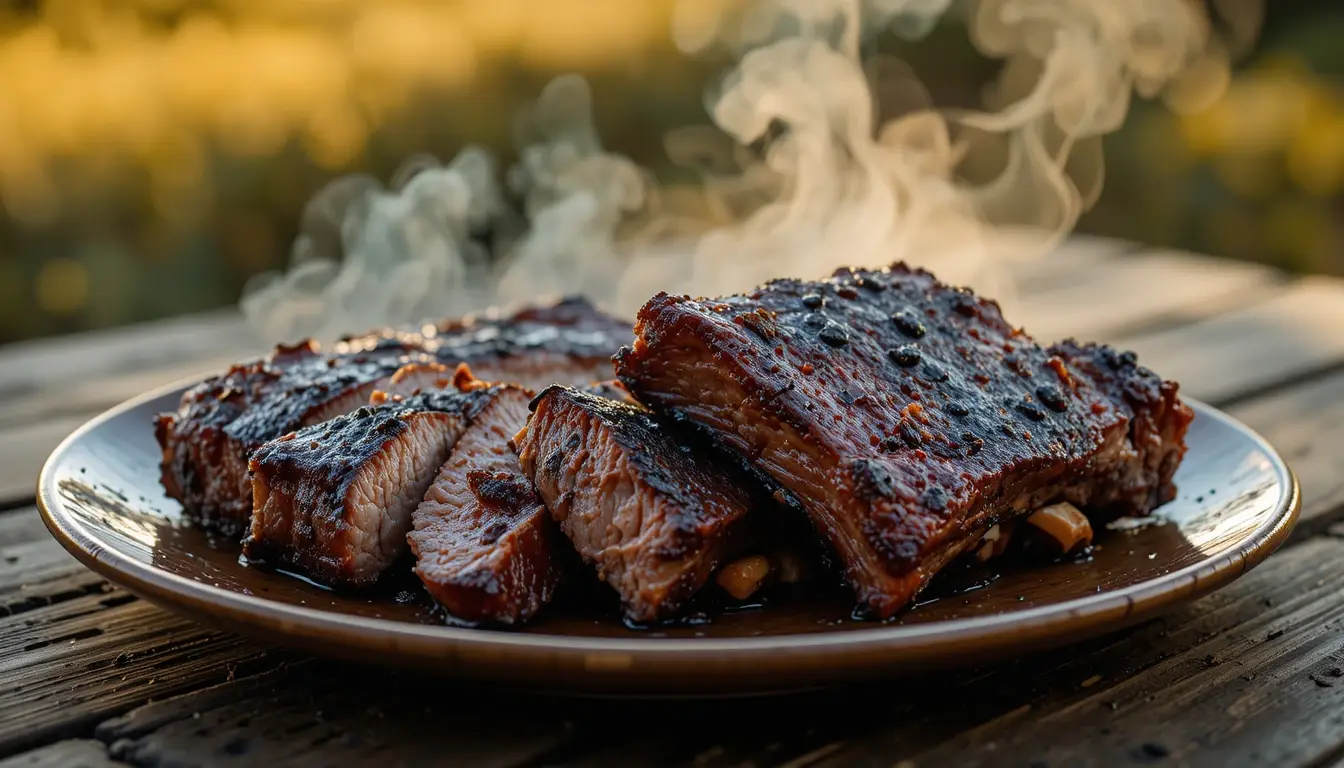
I seasoned the beef, set up my smoker, and hoped for the best. I didn’t expect the result to be so tender and rich, with a deep, smoky bark and juicy, flavorful meat that sliced like butter. That day, smoked beef short ribs earned a permanent spot on our family menu.
Now, I prepare this dish for clients, friends, and my own chaotic crew. It’s hearty, satisfying, and can be made ahead. You can even freeze leftovers for busy nights. Whether you’re prepping meals for the week or showing off at a backyard BBQ, smoked beef short ribs are worth the slow smoke.
From prepping the ribs and setting the smoker to the ideal timing and final wrap, you’ll get everything you need to succeed. And yes, smoking beef short ribs at 225°F is the magic number, and we’ll explain why that works so well.
PrintSmoked Beef Short Ribs Recipe for the Juiciest BBQ Ever
Tender, juicy smoked beef short ribs cooked low and slow at 225°F for deep smoky flavor and perfect bark. This foolproof BBQ method delivers rich flavor and melt-in-your-mouth texture every time.
- Prep Time: 15 minutes
- Cook Time: 7 hours
- Total Time: 7 hours 45 minutes
- Yield: 4 servings 1x
- Category: Main Course
- Method: Smoking
- Cuisine: American
- Diet: Gluten Free
Ingredients
-
4 bone-in beef short ribs
-
2 tbsp kosher salt
-
2 tbsp coarse black pepper
-
1 tsp garlic powder
-
1 tsp smoked paprika
-
Apple cider vinegar (for spritzing)
Instructions
-
Trim excess fat and silver skin from the beef short ribs.
-
Mix the dry rub ingredients and coat ribs generously on all sides.
-
Let the ribs rest at room temperature for 1 hour before smoking.
-
Preheat smoker to 225°F using oak or hickory wood.
-
Place ribs bone-side down on smoker grates and smoke uncovered for 4–5 hours.
-
Spritz ribs with apple cider vinegar every hour after the second hour.
-
Once bark is set and ribs reach ~165°F, wrap in butcher paper.
-
Continue smoking until internal temperature reaches 200–205°F.
-
Rest wrapped ribs for 30–45 minutes before slicing and serving.
Notes
- For the best bark, don’t wrap ribs too early let it form naturally.
- Use a meat probe for accuracy instead of guessing by time.
- Leftovers freeze well and can be reheated low and slow.
Nutrition
- Serving Size: 1 rib
- Calories: 780
- Sugar: 0g
- Sodium: 1180mg
- Fat: 62g
- Saturated Fat: 26g
- Unsaturated Fat: 32g
- Trans Fat: 0g
- Carbohydrates: 1g
- Fiber: 0g
- Protein: 48g
- Cholesterol: 195mg
How to Smoke Beef Short Ribs the Right Way
Why 225°F Hits the Sweet Spot
Smoking beef short ribs isn’t complicated, but precision matters. These ribs come from the plate section of the cow, meaning they’re loaded with connective tissue and fat. That’s why low and slow is key. I always smoke beef short ribs at 225°F, and here’s why.
At this temperature, the fat renders slowly, the collagen breaks down gently, and the smoke has time to penetrate deep into the meat. The result? Juicy, flavorful ribs that practically melt in your mouth. I recommend using oak or hickory for a rich, woodsy flavor without overpowering the beef.
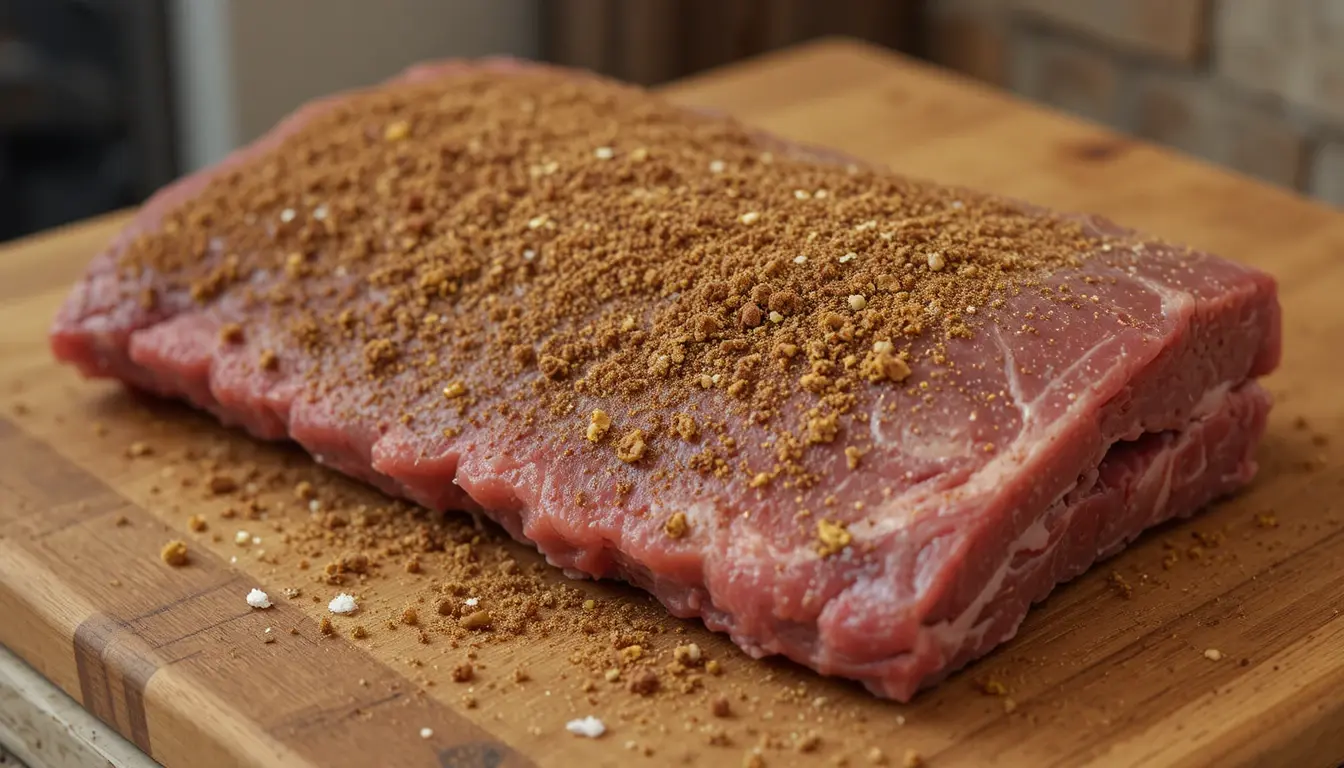
Start by removing the silver skin and trimming any excess fat. Then, season generously. I use a simple mix of coarse salt, cracked black pepper, garlic powder, and paprika. Let it sit for at least an hour to allow the seasoning to penetrate.
Place the ribs bone-side down on the smoker grates. Let them smoke uncovered for the first 4–5 hours. Don’t skip the spritz. Every hour after the second, I lightly spray the ribs with apple cider vinegar to keep the bark moist and flavorful.
When the internal temperature hits around 165°F, you can wrap them in butcher paper. This step helps push the ribs through the stall and prevents them from drying out. Continue smoking until they reach 200–205°F internally, then rest them for 30–45 minutes before slicing.
Trust me, patience pays off. If you’re serious about getting that perfect balance of bark, tenderness, and flavor, stick to 225°F and keep your smoker steady.
Building Bold Flavor with Simple Ingredients
How to Get That Perfect Bark on Smoked Beef Short Ribs
One of the reasons smoked beef short ribs are such a showstopper is the bark. That deep, crusty exterior isn’t just for looks. It packs incredible flavor and seals in the juices. But building bark isn’t just about smoking it starts with the rub.
I keep my rub basic but bold. A 1:1 mix of kosher salt and coarse black pepper forms the foundation. Then I layer in garlic powder, smoked paprika, and a touch of chili powder for warmth. This balance enhances the natural beefiness without masking it.
If you’re prepping ahead, rub your ribs the night before and refrigerate uncovered. This dry brine method helps draw in flavor and lets the surface dry slightly, which helps the smoke cling better. Before smoking, bring the ribs to room temperature for even cooking.
As they smoke, the rub caramelizes, forms a crust, and blends with the natural fats. This is how the bark forms. It’s not just from the heat it’s the result of dry air, smoke, and proper surface texture. That’s why we avoid wrapping too early. Let the ribs develop that bark during the first 4–5 hours.
Use a spritz of apple cider vinegar or beef broth every hour starting after the second hour. It helps keep the surface from drying out too much and adds just a hint of tang to contrast the rich meat.
Once your bark is firm and dark (but not burnt), that’s your cue the ribs are almost ready for wrapping and finishing.
How Long to Smoke Beef Short Ribs at 225°F
Why Resting Is Non-Negotiable
When smoking beef short ribs, patience is the secret ingredient. At 225°F, the typical smoking time falls between 6 to 8 hours, depending on the size and thickness of the ribs. Bone-in plate ribs can take longer, while English-cut short ribs might finish sooner. The key is not just watching the clock but tracking internal temperature.
Target an internal temp of 200–205°F for that signature tenderness. Most of the collagen breaks down fully in this range, giving the ribs a buttery texture without falling apart. Use a quality meat thermometer and aim to probe in the thickest part, avoiding the bone.
You’ll likely hit the “stall” around 160–170°F. That’s when moisture evaporates and slows the cooking process. This is normal. To push through it, wrap the ribs in uncoated butcher paper around the 165°F mark. But only do this after the bark has formed well. Wrapping too early softens the crust.
Once you’ve reached 203°F and the probe slides in like warm butter, it’s time to rest. Don’t skip this part. Let the ribs rest for at least 30–45 minutes, still wrapped, in a cooler or warm oven. This step allows the juices to redistribute and the meat to firm up slightly, making slicing easier and tastier.
Resting also reduces carryover cooking, keeping your ribs from drying out. When in doubt, give it more time. Low and slow doesn’t stop at the smoker the rest is just as vital.
FAQ About Smoked Beef Short Ribs
Can you smoke beef short ribs?
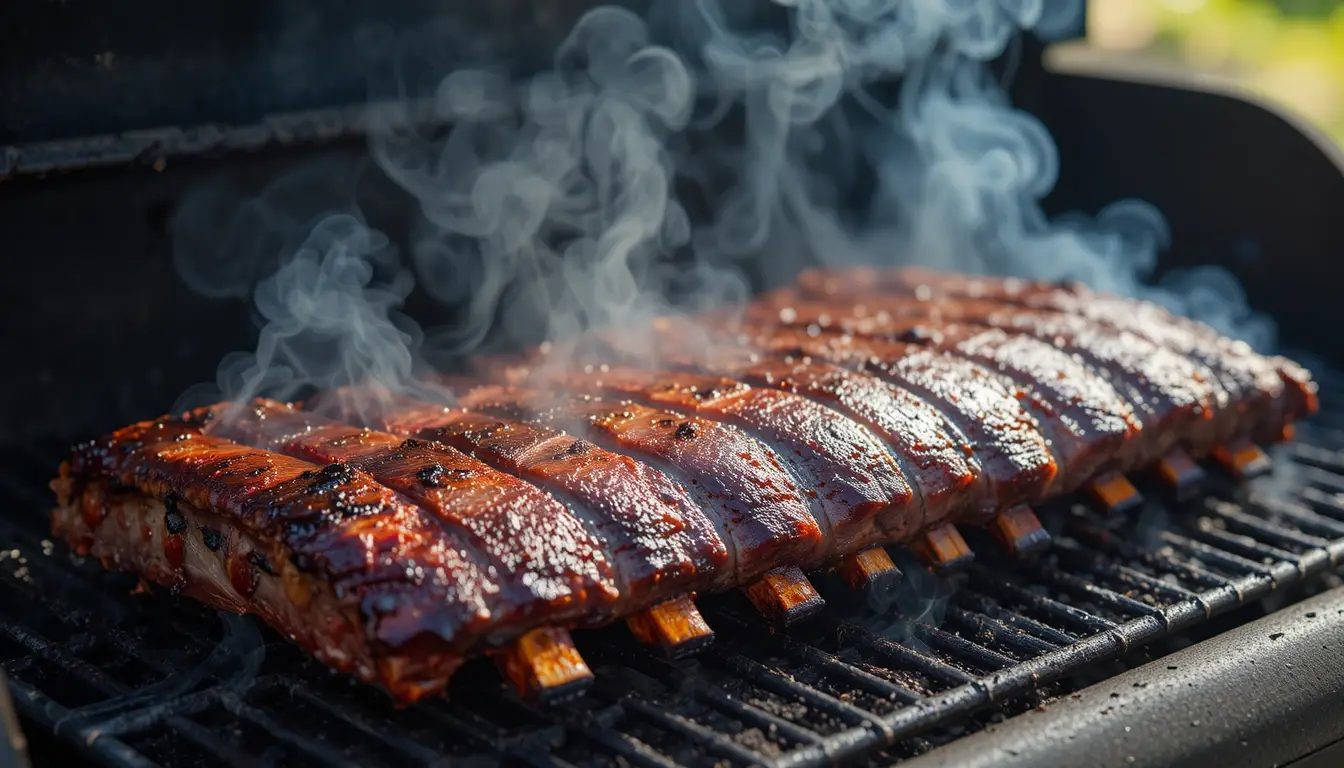
Absolutely. Smoked beef short ribs are one of the most flavorful cuts to cook low and slow. Their natural marbling and connective tissue make them perfect for the smoker, resulting in juicy, rich meat with a deep smoke ring and crispy bark.
How long do I smoke beef short ribs at 225?
On average, smoked beef short ribs take 6 to 8 hours at 225°F. Time varies based on the size of the ribs and how quickly they move through the stall. Always go by internal temperature, not just hours on the clock.
How to smoke beef short ribs?
Start by trimming and seasoning your ribs. Set your smoker to 225°F and use hardwoods like oak or hickory. Smoke the ribs bone-side down for 4 to 5 hours uncovered, then wrap in butcher paper once the bark sets. Finish smoking until the ribs reach about 203°F internally, then rest before serving.
How long to smoke beef short ribs at 225?
You’ll need around 7 hours, give or take. Thicker cuts may take closer to 8 hours. What matters most is temperature, so aim for 200–205°F in the thickest part of the meat. The magic of smoked beef short ribs comes from cooking low and slow.
How long to smoke beef short ribs?
Depending on your smoker temp, they can take anywhere from 6 to 10 hours. At 225°F, the average is 7 hours. Resting adds another 30–45 minutes, which helps make smoked beef short ribs tender and juicy.
Conclusion: Make Smoked Beef Short Ribs Part of Your Go-To Recipes
Smoked beef short ribs are more than just a backyard barbecue showpiece. They’re a meal that brings people together, whether it’s Sunday dinner or a laid-back celebration. With the right prep, a steady 225°F smoker, and a bit of patience, you can create a dish that rivals anything from a professional pitmaster.
From seasoning and bark to temperature and timing, each step plays a role in the final result. But you don’t have to overcomplicate it. Stick to real ingredients, quality beef, and a steady hand on your smoker. Once you’ve made these smoked beef short ribs once, they’ll quickly become part of your regular meal rotation.

3 thoughts on “Smoked Beef Short Ribs That Deliver Big Flavor Every Time”