
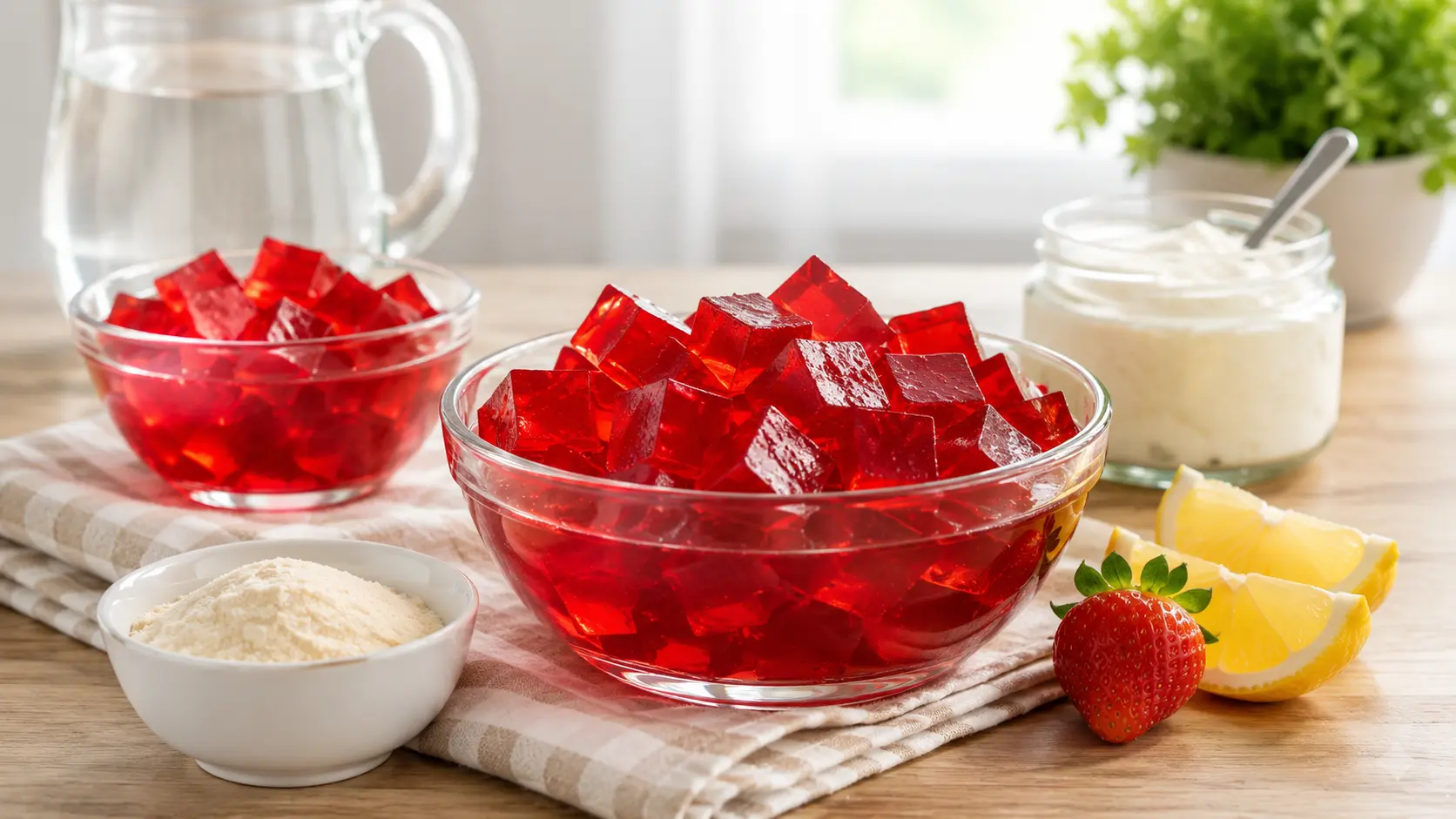
Bariatric gelatin recipe fans already know this secret: sometimes the simplest thing in the fridge is the most powerful one. This light, protein-friendly gelatin is gentle enough for early post-op stages, satisfying enough to quiet sweet cravings, and easy enough to prep in batches on a Sunday afternoon.
If you’ve been searching for something that feels like a treat without working against your goals, this is it.
Recipe Snapshot
Prep Time: 10 minutes Chill Time: 2–4 hours Servings: 6 small portion cups (4 oz each) Diet: High-protein, low-sugar, bariatric-friendly
Keep reading for the full ingredient breakdown, protein tips, step-by-step instructions, and everything you need to get this right from the very first batch.
Table of Contents
Bariatric Gelatin Recipe
Bariatric Gelatin Recipe Story and Why It Works
A Cool Snack With a Comfort-Food Feel
There’s a moment that happens about two weeks after bariatric surgery. The broth is fine. The shakes are fine. But you start craving something that feels like food. Not medicine. Not a protocol. Just something that tastes like it was made for you on purpose.
That’s the gap this bariatric gelatin recipe fills.
It’s cool. It’s slightly sweet. It has just enough texture to feel like you’re actually eating something. And when you make it in small portion cups and line them up in the fridge, you have a week’s worth of snacks ready to go without a second thought.
I first started experimenting with this bariatric gelatin recipe while helping a close friend through her recovery from gastric sleeve surgery. She was exhausted by week three tired of liquids, tired of the blandness, tired of feeling like every bite was a medical decision. The first time I brought her a little cup of strawberry-flavored gelatin with a spoonful of Greek yogurt on top, she looked at me like I’d handed her dessert at a fancy restaurant.
It was just gelatin. But it felt like something.
That emotional layer matters more than people give it credit for. Food is comfort, celebration, and community. A good bariatric gelatin recipe doesn’t just check the protein box. It gives you back a small piece of normal when normal feels very far away.
The good news is that gelatin is also genuinely functional. Unflavored gelatin and collagen peptides are rich in glycine and proline, amino acids that support connective tissue repair and joint health. After surgery, your body is in active healing mode. Giving it soft, digestible protein sources even in small amounts supports that process without taxing a stomach that’s still adapting.
And when you add a scoop of unflavored whey isolate to the warm mixture, you turn a 15-calorie snack into something that contributes meaningfully to your daily protein goals. That’s not a trick. That’s just smart cooking.
Why Portion Cups Matter After Surgery
This might sound like a small detail, but it genuinely changes everything: make your gelatin in individual 4-oz cups, not one big dish.
After bariatric surgery, portion control isn’t just a guideline. It’s physiology. Your stomach is significantly smaller, and the goal of every snack and meal is to give it exactly what it needs no more, no less. A large bowl of gelatin sitting in the fridge is an invitation to guess. A labeled 4-oz cup is a decision that’s already been made for you.
Here’s why individual cups win every time:
When you’re tired, dizzy, or just hungry at 3pm, you don’t want to think. You want to open the fridge, grab a cup, and move on. Pre-portioned snacks remove the mental load from moments when your willpower is lowest.
They’re also easier to track. If each cup contains a known amount of protein powder, you can log it accurately without estimating. That consistency matters for monitoring progress and staying aligned with your program.
Finally, smaller cups mean you eat more slowly. There’s something about a 4-oz cup that naturally signals “this is a small thing.” You sip it. You pause. You don’t rush. And that slower pace is exactly what a post-op digestive system needs.
Use small mason jars, silicone molds, or any BPA-free food container with a lid. Label them with the date and protein content. Stack them in the fridge and let future-you be grateful that past-you already did the work.
PrintBariatric Gelatin Recipe
This bariatric gelatin recipe is a light, sugar-free, high-protein snack designed for post-surgery recovery and healthy weight management. It’s gentle on a healing stomach, satisfies sweet cravings without guilt, and takes less than 10 minutes to prep. Made with unflavored gelatin and a protein boost from clear whey isolate, each small cup delivers around 8–12g of protein at only 15–50 calories. Make a full batch on Sunday and you’ll have a week of grab-and-go snacks ready in the fridge.
- Prep Time: 10 minutes
- Chill Time: 3 hours
- Total Time: 3 hours 10 minutes
- Yield: 6 small cups (4 oz each) 1x
- Category: Bariatric Snack
- Method: No-Cook
- Cuisine: American
- Diet: Low Calorie
Ingredients
- 1 tablespoon unflavored gelatin powder
- ½ cup cold water (for blooming)
- 1 cup hot water (not boiling)
- 1 teaspoon sugar-free flavored drink mix (strawberry or your choice)
- 2 tablespoons unflavored clear whey isolate protein powder
- 1 tablespoon collagen peptides (optional, for softer texture)
- 1 pinch stevia or monk fruit sweetener, to taste
- 3 tablespoons plain nonfat Greek yogurt (optional topping, divided across servings)
Instructions
- Bloom the gelatin — Pour ½ cup cold water into a bowl. Sprinkle gelatin powder evenly over the surface. Do not stir. Let sit 5 minutes until thickened.
- Dissolve — Add 1 cup hot water. Stir for 1–2 minutes until the mixture is completely clear with no granules.
- Add flavor — Stir in the sugar-free drink mix. Taste and adjust sweetness carefully — chilling concentrates flavor, so go slightly under your target.
- Cool then add protein — Let the mixture cool to warm (around 100–110°F). Mix protein powder and collagen peptides with a small splash of cold water to make a paste, then whisk slowly into the warm gelatin liquid.
- Portion — Pour evenly into 6 small 4-oz cups or silicone molds.
- Chill — Refrigerate 2–4 hours until fully set. Top with a small spoonful of Greek yogurt before serving if desired.
Notes
- Too rubbery: reduce gelatin by ¼ tsp next time. Too soft: add a little more gelatin or reduce liquid.
- Never add protein powder to hot liquid it clumps. Always wait until the mixture is warm.
- Avoid fresh pineapple, kiwi, or papaya their enzymes prevent setting. Use sugar-free drink mix or cooked/canned fruit instead.
- Vegan option: swap gelatin for agar-agar and use pea protein isolate instead of whey.
- Stores covered in the fridge up to 5 days. Do not freeze.
- Clear liquid phase: skip protein powder. Full liquid phase: add a small amount of whey. Soft food phase: full recipe with yogurt topping. Always follow your surgeon’s or dietitian’s guidelines.
Nutrition
- Serving Size: 1 small cup (4 oz)
- Calories: 25
- Sugar: 0g
- Sodium: 10mg
- Fat: 0g
- Saturated Fat: 0g
- Unsaturated Fat: 0g
- Trans Fat: 0g
- Carbohydrates: 1g
- Fiber: 0g
- Protein: 10g
- Cholesterol: 5mg
Bariatric Gelatin Recipe Ingredients and Smart Swaps
Best Gelatin Base for Bariatric Needs
Not all gelatin is created equal, and choosing the right base for your bariatric gelatin recipe is the first decision that shapes everything else.
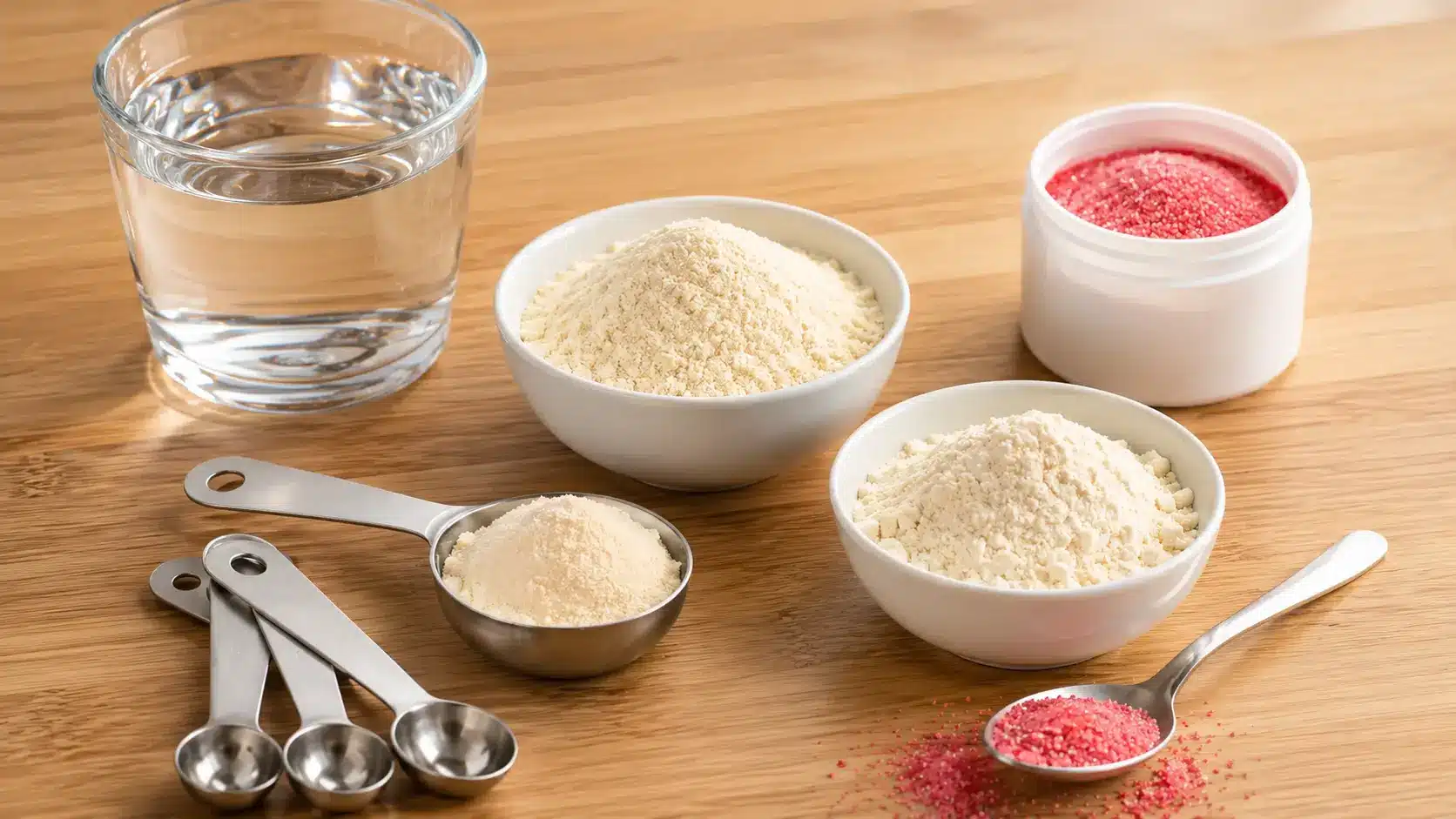
Here are your main options and what each one does:
Unflavored gelatin powder is the classic choice. It sets firm, holds up well in cups, and has a neutral taste that works with any flavoring you choose. One tablespoon provides a modest amount of protein (around 2 grams) and contributes collagen-building amino acids. This is the most affordable option and the most widely available. Knox is the most common brand in the US, but any unflavored gelatin powder works.
Collagen peptides give a softer, more delicate set. They dissolve easily in warm liquid and tend to be gentler on the stomach. If you find standard gelatin feels slightly rubbery or dense, collagen peptides are worth trying. The texture is closer to a soft panna cotta than a traditional Jell-O. Most people tolerate them very well, and they dissolve without clumping, which is a win when you’re working with protein powder in the same recipe.
Agar-agar is the plant-based alternative for anyone avoiding animal products. It sets firmer than gelatin and has a slightly different mouthfeel a little more brittle, less bouncy. It works well for this recipe, but start with slightly less than the standard gelatin amount and taste-test before portioning, since the texture can vary depending on the brand.
The honest recommendation for most people starting out: use standard unflavored gelatin powder for reliability, and experiment with collagen peptides once you know the basic recipe works for your system.
| Gelatin Base | Texture | Best For | Notes |
|---|---|---|---|
| Unflavored gelatin powder | Firm, classic | Standard snack cups | Most affordable, widely available |
| Collagen peptides | Soft, delicate | Sensitive stomachs, softer preference | Dissolves easily, less rubbery |
| Agar-agar | Firm, slightly brittle | Vegan or plant-based diets | Start with less than gelatin amount |
Nutrition research available through the National Library of Medicine, including “Nutritional Recommendations for Adult Bariatric Surgery Patients,” points to regular protein intake after bariatric surgery as an important habit for healing and maintaining lean muscle.
Flavor, Protein, and Texture Choices
Once you’ve chosen your base, the next decisions are about flavor, protein, and texture and this is where the recipe gets personal.
For flavor, sugar-free flavored drink mixes (like Crystal Light or store-brand equivalents) are the easiest starting point. They come in dozens of varieties, dissolve completely, and add zero sugar. Alternatively, use diluted sugar-free juice start with a 50/50 mix of juice and water and adjust to taste. Herbal teas are a beautiful option too, especially chamomile or hibiscus, which give a subtle floral flavor without any sweetness competition.
Seasonal idea: diluted cranberry juice in fall and winter, citrus blends in spring, watermelon or berry mixes in summer. Rotate your flavors so the snack doesn’t get boring.
For protein, the best add-in is unflavored clear whey isolate. It dissolves cleanly into warm liquid without clumping or chalky aftertaste. Regular whey concentrate works but is more prone to clumping if the liquid is too hot or too cold. Add it when the gelatin mixture is warm not hot, not cold. Warm is the sweet spot.
If you want protein without any powder at all, try stirring in a tablespoon or two of collagen peptides per serving. They contribute around 7–10 grams of protein per tablespoon and dissolve invisibly.
For texture, the ratio of gelatin to liquid is everything. More gelatin means firmer, bouncier cups. Less gelatin means softer, spoonable texture. If you want the classic wobble-and-hold that’s easy to eat from a cup, stick with 1 tablespoon of unflavored gelatin per 1.5 cups of total liquid. If you prefer something more delicate and closer to a soft gel, reduce the gelatin slightly or swap half of it for collagen peptides.
| Flavor Option | Best Used With | Notes |
|---|---|---|
| Sugar-free drink mix | Any base gelatin | Easiest, most variety |
| Diluted sugar-free juice | Collagen-based recipes | Naturally gentle flavor |
| Herbal tea (cooled) | Agar-agar or collagen base | Elegant, low-sweetness option |
| Stevia or monk fruit | All options | Add after tasting, not before |
How to Make Bariatric Gelatin Recipe Step by Step
Mixing, Chilling, and Portioning
This recipe has five real steps. None of them are complicated, but each one matters. Skipping the blooming step, using water that’s too hot, or adding protein powder at the wrong moment are the three most common ways this goes sideways. Follow the order and you’ll be fine.
What you need:
- 1 tablespoon unflavored gelatin powder (about 10g)
- ½ cup cold water (for blooming)
- 1 cup hot water (hot but not boiling around 160–180°F)
- Sugar-free drink mix or ½ cup diluted sugar-free juice, to taste
- Optional: 1–2 tablespoons unflavored protein powder or clear whey isolate
- Optional: stevia or monk fruit to taste
- 6 small 4-oz cups or silicone molds
Step 1 — Bloom the gelatin. Pour the cold water into a medium bowl. Sprinkle the gelatin powder evenly across the surface. Don’t stir. Let it sit undisturbed for 5 minutes. It will absorb the water and thicken into a soft, uneven layer. This is the blooming step, and it’s non-negotiable. Bloomed gelatin dissolves smoothly and evenly. Unbloomed gelatin goes into hot water as dry powder and clumps into chewy little lumps that never fully dissolve.
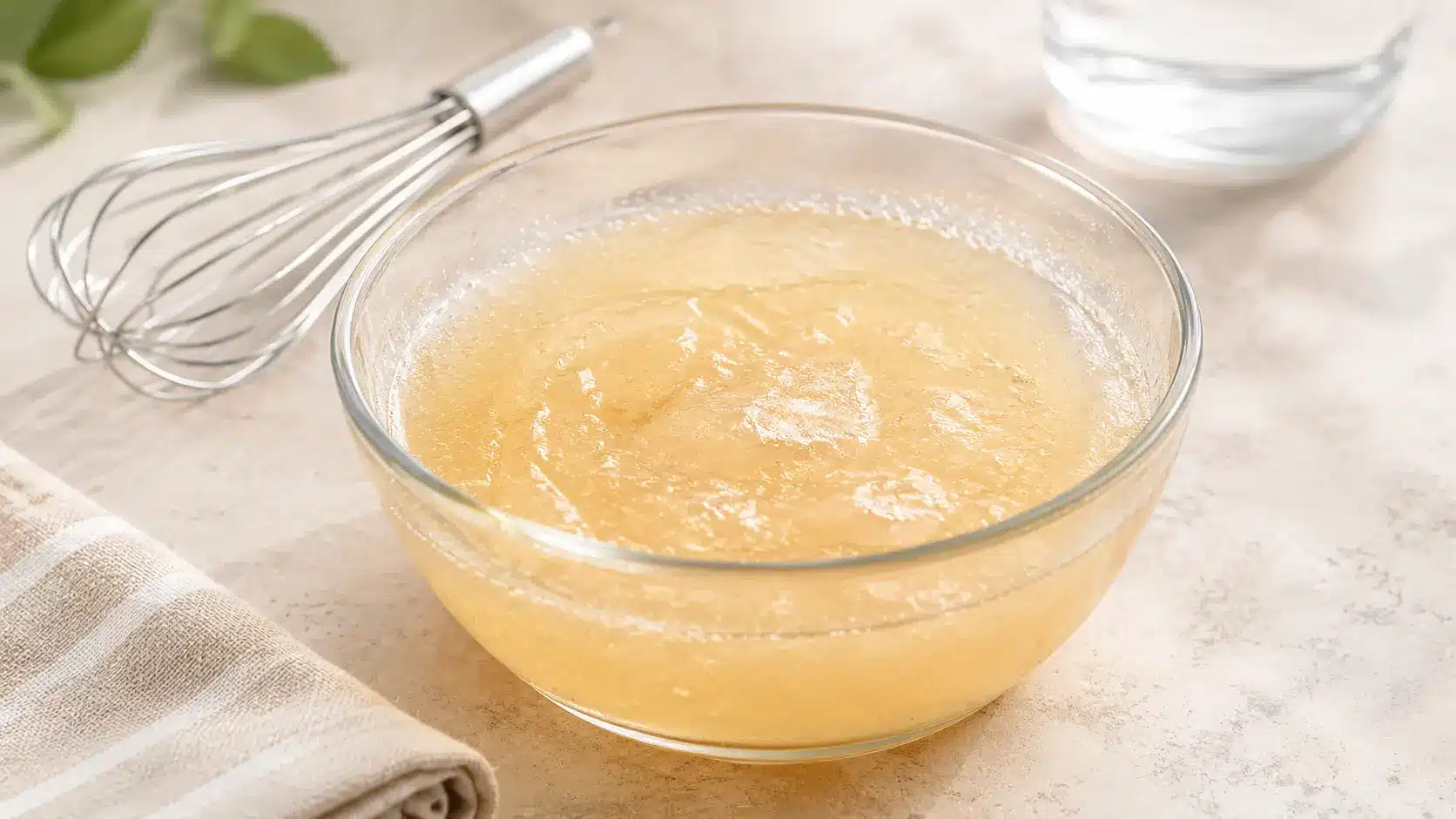
Step 2 — Dissolve. Pour the hot water over the bloomed gelatin. Stir steadily for 1–2 minutes until the mixture is completely clear and you see no granules or lumps. If it still looks cloudy after 2 minutes, stir another 30 seconds. Cloudiness means undissolved gelatin.
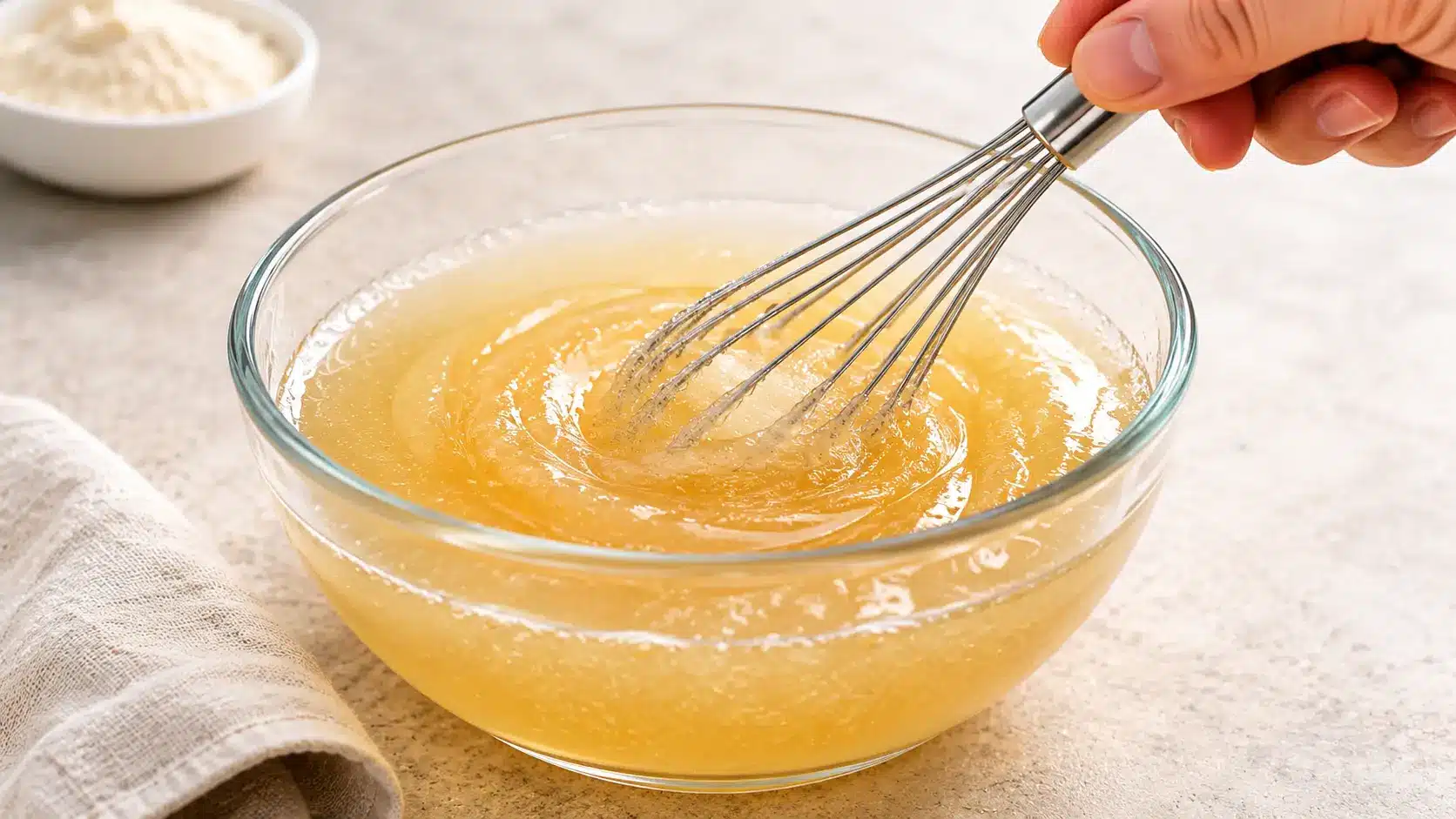
Step 3 — Add flavor. Stir in your sugar-free drink mix or diluted juice. Taste carefully. The mixture should be pleasant but not overpowering, since chilling concentrates flavors slightly. If it tastes just right now, it may taste too sweet after chilling. Aim for about 80% of where you want it to land.
Step 4 — Cool slightly, then add protein. This step trips up a lot of people. Let the mixture cool until it’s warm to the touch around 100–110°F, roughly the temperature of a comfortable bath. If it’s too hot when you add protein powder, the heat can denature the whey and cause clumping or a rubbery texture. If it’s too cold, the powder doesn’t dissolve properly.
Mix a small amount of cold water with your protein powder first to create a paste. Then whisk the paste slowly into the warm gelatin mixture. This technique prevents clumps far more reliably than dumping powder directly into liquid.
Step 5 — Portion and chill. Pour the mixture evenly into your 6 portion cups. Cover loosely with lids or plastic wrap. Refrigerate for at least 2 hours, or ideally 4. Serve cold. They’re best between day 1 and day 3, though they’ll keep safely for up to 5 days.
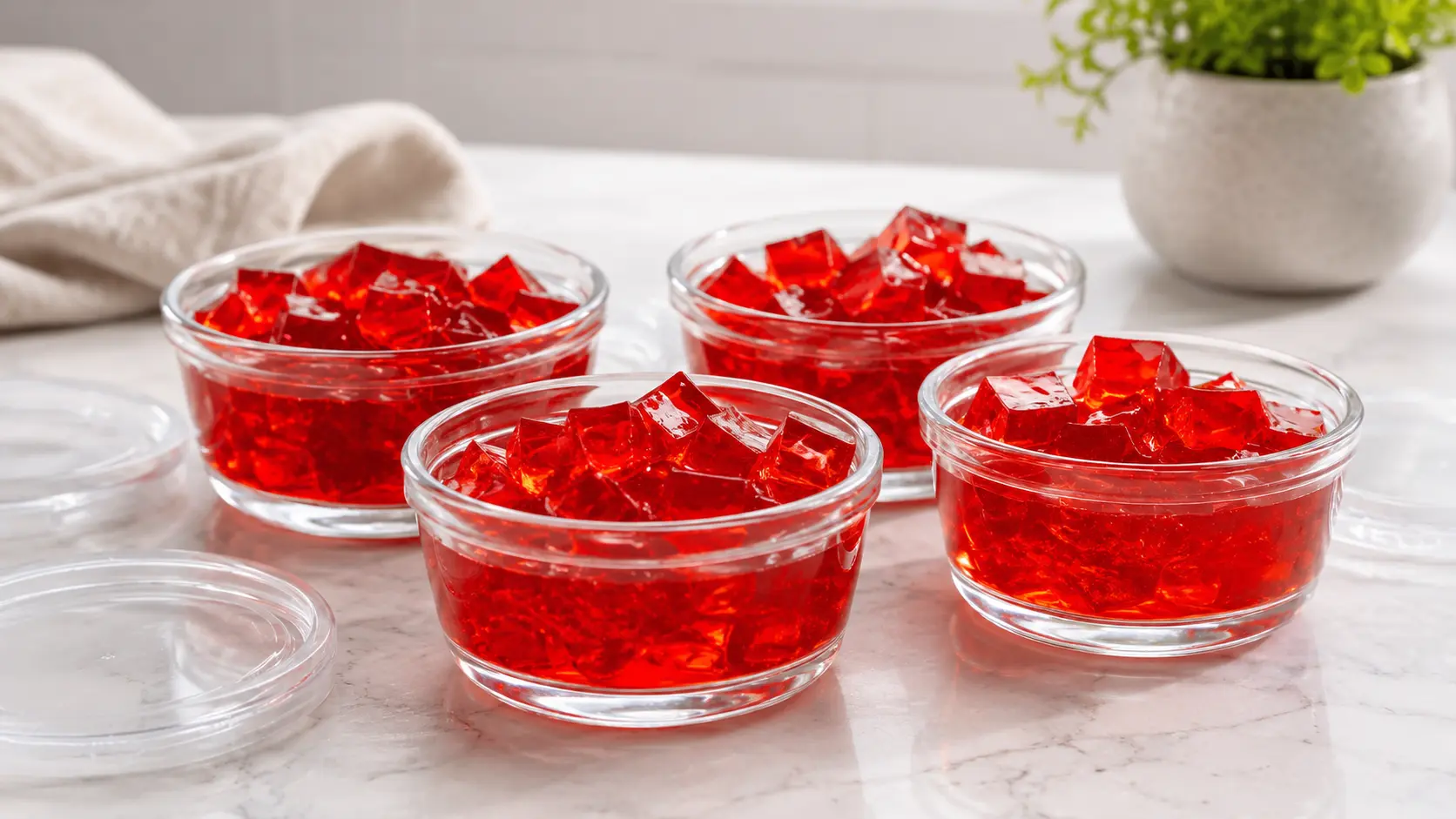
Optional cube version: Pour the mixture into a shallow baking dish instead of cups. Chill until firm, then cut into small cubes. Store the cubes in a container with a lid and grab a small handful as a snack. The cube format works especially well for people who prefer eating with a fork rather than a spoon.
Common Mistakes and Easy Fixes
Even a simple recipe has its failure points. Here’s what goes wrong most often and how to fix it before it becomes a problem:
The gelatin is rubbery and tough. Too much gelatin relative to liquid. Reduce by ¼ teaspoon next time, or increase total liquid by ¼ cup. Collagen peptides also make the texture softer, so a partial swap can help.
The gelatin didn’t set at all. Either not enough gelatin was used, the liquid ratio was too high, or the gelatin wasn’t properly bloomed and dissolved. Check that you used the right amount (1 tablespoon for 1.5 cups liquid) and that the mixture was fully clear before portioning.
There are white clumps in the finished cups. Protein powder was added when the liquid was too hot or too cold. The warm-paste method (mixing powder with cold water before adding to the gelatin mixture) prevents this almost entirely. If clumps appear, strain the mixture through a fine mesh sieve before portioning.
The flavor is overwhelming after chilling. You added too much flavoring. This is an easy fix use slightly less mix than you think you need, or add more plain water to dilute the batch before portioning.
The gelatin released water by day 3. This is normal, especially with high-protein versions. It’s called syneresis the gel slowly contracts and pushes out liquid. Just drain the small amount of water from the cup before eating. The flavor and nutrition aren’t affected.
It didn’t set because of fresh fruit. Fresh pineapple, kiwi, papaya, and a few other tropical fruits contain enzymes (bromelain in pineapple, actinidin in kiwi) that break down gelatin’s protein structure and prevent it from setting. Always use flavored drink mixes, sugar-free juice, or cooked/canned fruit instead of fresh tropical fruit.
Bariatric Gelatin Recipe Serving Guide
Best Time to Eat a Gelatin Snack
Timing your bariatric gelatin recipe snack thoughtfully can make a real difference in how satisfied you feel and how well it fits your daily eating rhythm.
As a pre-meal snack (15–30 minutes before eating): This is the approach many people use as a gentle appetite-management strategy. A small 4-oz cup of gelatin before a meal takes the sharp edge off hunger without filling your limited stomach space with bulk. It slows the pace of your eating and helps you recognize satiety earlier. This timing works especially well if your main meal is something you need to eat slowly and carefully, like dense protein sources.
As a mid-afternoon snack: The 3–4pm window is when sweet cravings often peak. Having a ready-made portion cup in the fridge means you have a cool, sweet, low-calorie option ready the moment a craving hits. This is far better than reaching for something that doesn’t align with your plan.
As a light evening snack: If evenings tend to be your hungry window, a gelatin cup offers something satisfying without disrupting sleep or loading your stomach before bed. The cool temperature is also naturally soothing, especially in warm weather.
During post-op recovery stages: In the clear liquid phase (typically weeks 1–2), use plain gelatin without protein powder just water and sugar-free flavoring. In the full liquid phase (weeks 2–3), you can begin adding a small amount of clear whey isolate. By the pureed and soft food stages, the full protein version is appropriate, and the optional Greek yogurt topping adds extra benefit.
Always follow your own surgeon’s and dietitian’s phase guidelines first. These timing suggestions are general; your individual program has the final word.
| Timing | Version to Use | Benefit |
|---|---|---|
| Pre-meal (15–30 min before) | Base or light protein version | Reduces hunger, slows eating pace |
| Mid-afternoon | Full protein version | Satisfies sweet cravings, supports protein goals |
| Evening | Base or collagen version | Light, soothing, won’t disrupt digestion |
| Post-op clear liquid phase | No protein powder | Easy to tolerate, hydrating |
| Post-op soft food phase | Full protein version + yogurt topping | More filling, supports healing |
Gastric bypass nutrition advice often places protein at the center of recovery, since it helps the body repair tissue and maintain lean muscle after surgery. Small protein-rich choices, like bariatric gelatin, can also feel easier to manage on days when solid foods seem too heavy.
Storage and Meal Prep about Bariatric Gelatin Recipe
Storage: Keep portion cups covered in the refrigerator for up to 5 days. Do not freeze the texture becomes watery and grainy after thawing because the gel structure breaks down permanently. If you notice slight liquid separation in older cups, that’s normal syneresis. Drain and enjoy as usual.
Meal prep strategy: The best approach is a Sunday batch. Make one full recipe, portion into 6 labeled cups, and stack them in the fridge. On busy weekday mornings when you need a snack but don’t have time to think, those cups are already there. Label each with the date and protein content so logging stays easy and accurate.
To keep things interesting across the week, make two half-batches in different flavors strawberry and lemon, for example and alternate. This prevents flavor fatigue, which is one of the most underrated reasons people abandon meal-prepped snacks.
For anyone drawn to simple wellness habits, my Pulhia Tea Recipe shares a clean, no-fuss routine that many readers pair with more mindful food choices.
Frequently Asked Questions
Can I eat bariatric gelatin every day?
Yes, as a snack alongside not instead of your primary protein sources like lean meats, eggs, cottage cheese, or protein shakes. Gelatin is a supportive addition, not a complete protein substitute. Use it to fill snack gaps and satisfy sweet cravings without adding significant calories or sugar.
What’s the best protein powder to add to bariatric gelatin?
Unflavored clear whey isolate is the top choice. It dissolves well, doesn’t affect the texture as much as concentrate, and has minimal lactose. If you have lactose sensitivity, look for a lactose-free isolate or try collagen peptides as an alternative. Avoid flavored protein powders unless you want them to compete with your gelatin flavoring.
Can I use regular Jell-O instead of unflavored gelatin?
You can use sugar-free Jell-O for a quick version, but it already contains flavoring and sweeteners, so you won’t have as much control over taste and sweetness level. It also doesn’t allow for protein powder additions as cleanly. Unflavored gelatin gives you more flexibility for a true bariatric gelatin recipe.
What if I’m vegan or avoiding animal products?
Use agar-agar as your base. The texture is slightly firmer and more brittle than traditional gelatin, but it works well and sets reliably. Start with about ¾ of the amount you’d use for regular gelatin and adjust from there. Pair it with a plant-based protein powder pea protein or brown rice isolate are both good options.
Why isn’t my gelatin setting firmly?
The most common reasons are: insufficient blooming time, not enough gelatin for the liquid volume used, or liquid that was too hot when protein was added (which can break down the gel structure). Make sure to bloom fully for 5 minutes, use the standard 1 tablespoon per 1.5 cups of liquid ratio, and cool the mixture before adding any protein.
Does gelatin actually help with weight loss?
Gelatin won’t directly cause fat loss, and any recipe that claims otherwise is overpromising. What it does do is provide a low-calorie, mildly satiating snack that can reduce the temptation to reach for higher-calorie options. The protein content especially when you add whey isolate also supports muscle preservation during a calorie deficit, which matters a great deal after bariatric surgery. Think of it as a steady, supportive tool, not a shortcut.
Can I add fruit to the gelatin?
Yes, with one important exception: avoid fresh pineapple, kiwi, papaya, and mango, which contain enzymes that prevent gelatin from setting. Canned or cooked versions of these fruits are fine since heat deactivates the enzymes. Soft berries, diced melon, or small pieces of peach work beautifully as optional mix-ins or toppings once the gelatin has set.
Final Tips to Get It Right Every Time
Never use boiling water. Temperatures above 212°F begin to weaken gelatin’s setting ability. Hot tap water or water heated to just below a boil is ideal.
Taste before you chill. Chilling concentrates flavor slightly, so what tastes perfectly sweet in the bowl may taste sweeter in the cup. Season conservatively and let the chilling do the finishing.
The paste method for protein powder is always worth the extra 30 seconds. Mix your powder with a small splash of cold water until smooth, then whisk the paste into your warm gelatin liquid. This single step eliminates almost all clumping problems.
Use consistent cups. When all your portion cups are the same size, tracking becomes automatic. You always know exactly how much you’ve eaten without measuring every time.
Make it enjoyable. A small spoonful of Greek yogurt on top, a tiny garnish of fresh mint, a dusting of cinnamon these little additions don’t add significant calories but they do add the feeling that your snack was made with care. That feeling matters. It makes you more likely to reach for the cup in the fridge instead of something that doesn’t serve you.
Recovery is a long road. The snacks that make it feel livable are the ones you’ll actually stick with. This bariatric gelatin recipe is simple, reliable, adaptable, and genuinely good. Make a batch this weekend and see for yourself.

2 thoughts on “Bariatric Gelatin Recipe for a Soft, Simple Snack”